
Key Takeaways
- Friendships in assisted living support emotional well-being and a sense of belonging.
- Shared spaces, dining, and group activities naturally bring residents together.
- Families can play an active role in helping loved ones settle in socially.
- The adjustment period takes time, and small social wins are worth celebrating.
- A connected resident tends to be a happier, more engaged one.
The Real Power of Social Connection in Assisted Living
When a loved one moves into Kettle Park Senior Living, the practical side of the transition tends to get the most attention. Packing, coordinating care, getting settled into a new space. But one of the biggest pieces of their overall well-being is something that can’t be packed into a box: connection.
Friendships in assisted living are not just a nice bonus, they are one of the most meaningful parts of life in a senior living community. When your loved one feels connected to the people around them, everything from daily routines to emotional health can start to feel more full and purposeful.
Why Friendships Matter in Assisted Living
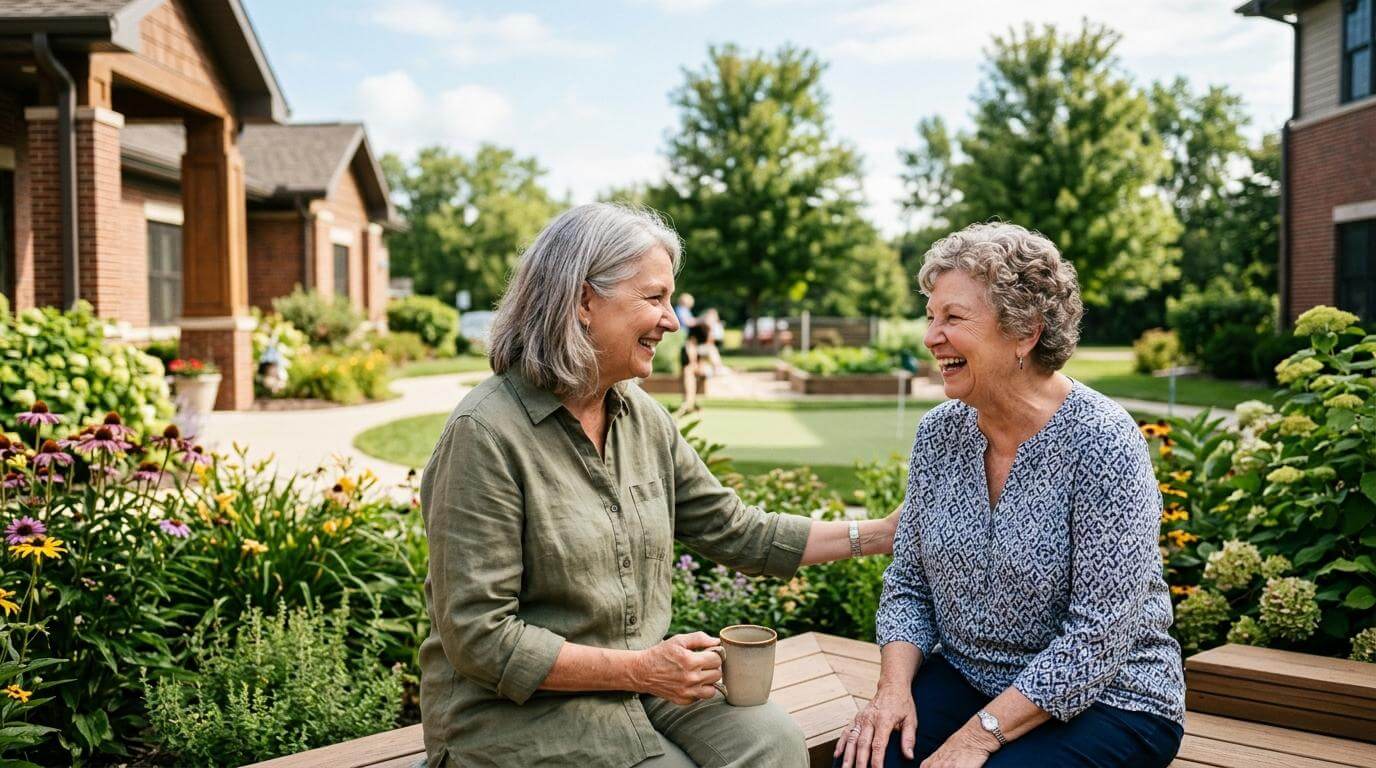
Social connection has a way of quietly shaping how someone feels each day. For residents in assisted living, having people to share a meal with, laugh with, or simply sit alongside can make a real difference in how they feel about where they live.
Friendships also give residents a sense of purpose and belonging. Knowing that someone is saving your seat at breakfast or looking forward to seeing you at an afternoon activity is a small thing that carries a lot of weight. Those moments remind your loved one that they matter to the people around them.
Strong bonds also help residents feel at home faster. The sooner someone finds their people, the sooner the new place starts to feel like home, not just a place they were moved to, but a place they genuinely belong. Staying connected can have a meaningful impact on how quickly that sense of home takes root.
How Assisted Living Communities Help Residents Connect
Shared Spaces That Invite Connection
One of the quiet gifts of assisted living is that the environment itself encourages connection. Common areas like lounges, outdoor patios, and garden spaces bring residents together naturally throughout the day. There’s no agenda, just people sharing the same space and falling into easy conversation.
Dining is one of the most consistent social anchors in a community. Sitting down for a meal together gives residents a daily rhythm of connection. Over time, familiar faces become friendly faces, and friendly faces become friends.
Planned Activities and Group Programs
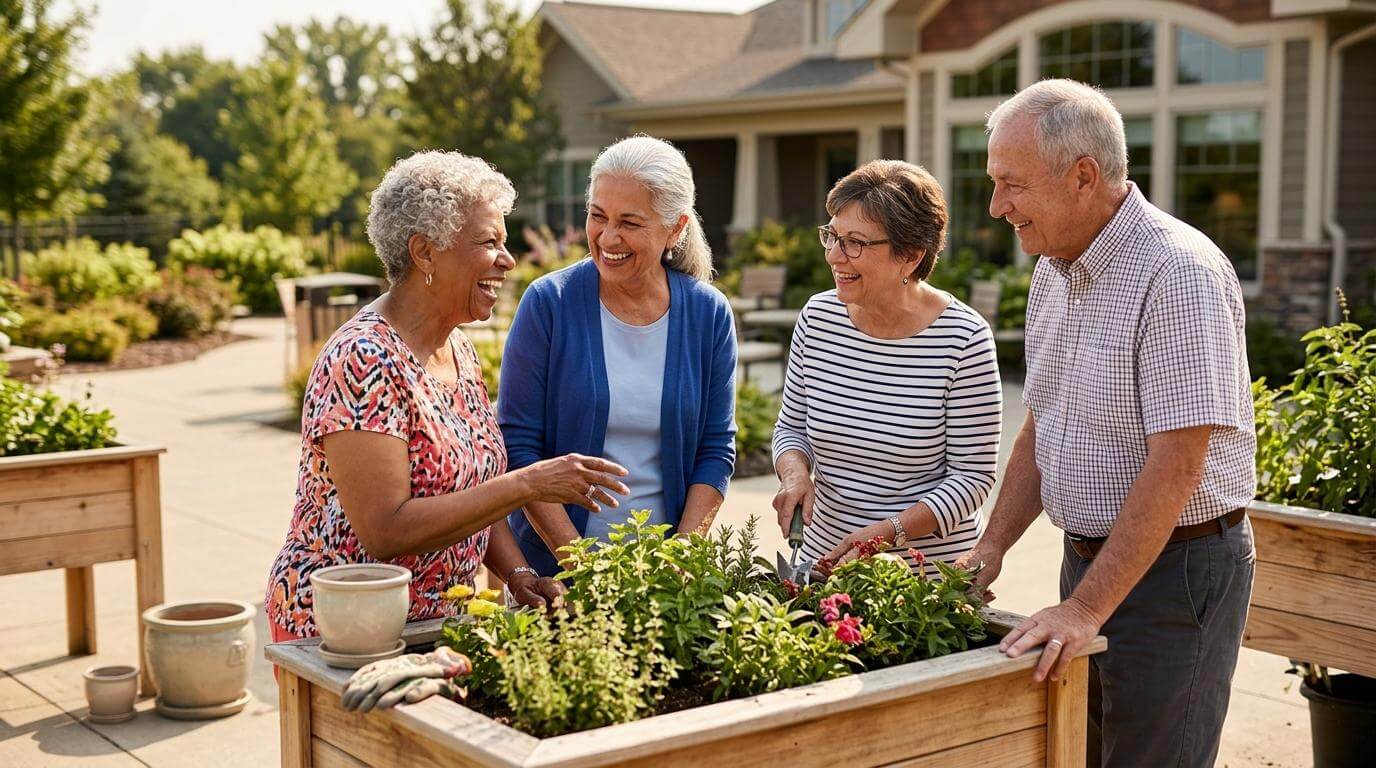
Group activities create shared experiences that give residents something to talk about, look forward to, and laugh about together. Whether it’s a gardening group, a movie in the theatre, or a wellness class, doing things alongside others naturally builds bonds. Taking a look at the monthly activity calendar can give your loved one a feel for what kinds of connections might be waiting for them.
Wellness and spiritual programs can also foster deeper connections. Programs that invite residents to reflect, share, and support one another tend to bring people closer in meaningful ways. Consistent programming is key here, because showing up to the same activity week after week is often how someone finds their people.
Ways to Help Your Loved One Form New Friendships
Your support can make a real difference during the early days of the transition. Encouraging your loved one to participate in community events from the start, even just 1 or 2, can open the door to early connections before they’ve had a chance to feel settled.
Helping them find routines that involve regular social interaction is another way to help. When your loved one attends the same activity or sits in the same dining area regularly, familiar faces start to appear. Familiarity is often where friendship begins.
And when a small social win happens, celebrate it. If they mention a neighbor by name or talk about someone they chatted with at lunch, that’s meaningful progress. Acknowledging those moments encourages more of them.
What Families Can Expect During the Transition
The First Few Weeks in Assisted Living
Adjustment takes time, and that’s completely normal. The first few weeks may feel slow socially, and your loved one might not click with anyone right away. Patience goes a long way during this period, both for them and for you.
The care team plays an important role here. Staff who take the time to make introductions and gently guide residents toward activities that match their interests can help bridge the gap between arriving and truly settling in.
Signs Your Loved One Is Settling In
There are some heartwarming signals that things are going well. When your loved one starts talking about other residents by name, that’s a good sign. When they mention looking forward to a specific activity or mealtime, even better.
The clearest sign of all is when they express a sense of comfort and belonging. That moment when the community stops feeling unfamiliar and starts feeling like theirs, that’s when you know the roots are taking hold. Social connection plays a meaningful role in long-term well-being, and those early signs of belonging are worth paying attention to.
The Lasting Value of Friendship in Senior Living
Friendships that form in senior living communities tend to grow right alongside a resident’s overall well-being. A connected resident is often a more engaged one, someone who looks forward to the day ahead and feels genuinely at home in their community.
Assisted living offers something many people don’t expect: a real social home. At Kettle Park Senior Living, the people, the spaces, and the programs and services all work together to help your loved one find connection that lasts. If you’d like to see that community in action, a tour can be a wonderful first step.
Contact us today to book your in-person visit.